November 5, 2025

The Science Behind Vehicle Wrapping

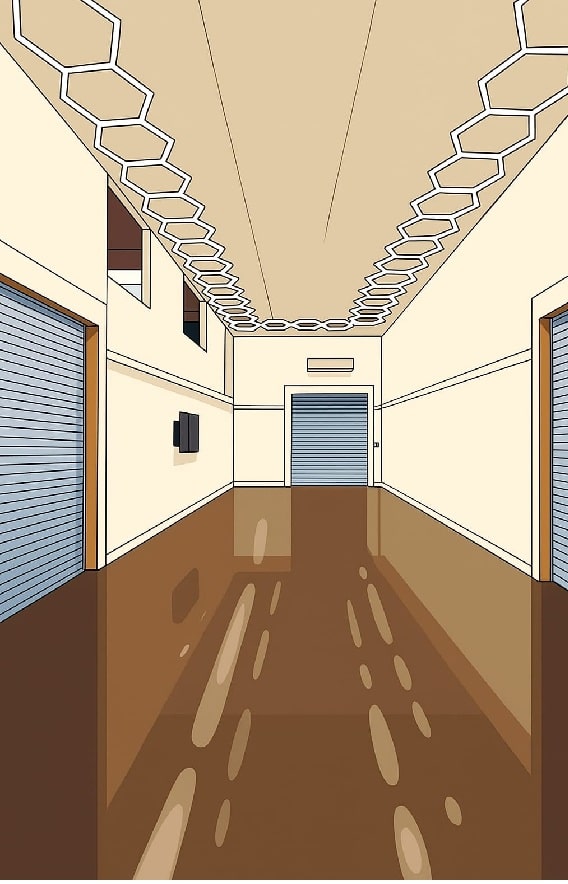
🚐 The Science Behind Vehicle Wrapping: Why Environment and Preparation Matter How Precision, Cleanliness, and Temperature Define the Longevity of Every Wrap When it comes to professional vehicle wrapping, there’s more to success than design and vinyl quality.The real secret lies in the environment — the temperature, cleanliness, lighting, and air quality of the space where the installation takes place. At Emerge Sign & Print, we’ve invested heavily in perfecting those conditions. Our purpose-built wrapping tunnel — the largest in Wales — was designed from the ground up to deliver wraps that last for years, not months. This article explores why the environment matters so much, what can go wrong without control, and how professional facilities make the difference between a 7-year lifespan and a 7-week failure. 1️⃣ The Science of Vehicle Wrap Adhesion Vinyl wrapping relies on a delicate balance of chemistry and physics.Adhesive films — especially premium cast media from manufacturers like 3M, Avery Dennison, and Oracal — use pressure-sensitive adhesives that bond at a microscopic level to a clean, stable surface. For that bond to cure properly, several environmental conditions must align: According to 3M’s 2024 Technical Bulletin on Vehicle Graphics, adhesive performance can degrade by up to 40% if installed outside recommended temperature ranges — meaning even a perfect wrap can fail prematurely. 2️⃣ Temperature: The Invisible Variable That Defines Success 🔹 Why Temperature Matters Every adhesive has an activation temperature.Below it, the adhesive becomes rigid, making it difficult to conform to curves or recesses. Above it, the film softens excessively, leading to overstretching and adhesive migration. A study by Avery Dennison (2023) found that wraps installed outside the ideal 20–25°C range had a 70% higher likelihood of edge lift within 3 months. 🔹 How Emerge Solves It Our temperature-controlled wrapping tunnel uses a state-of-the-art air source heat pump system to maintain perfect conditions year-round.This ensures even heat distribution across full-length trailers and lorries, maintaining adhesive activation without distortion or stress on the film. The result? Consistent installations that cure perfectly, ensuring up to 7 years of performance — exactly as manufacturers like 3M and Avery specify in their warranty documentation. 3️⃣ Cleanliness and Air Quality: The Unseen Enemies of Longevity Dust is the silent killer of wraps. Even a single speck of debris trapped beneath the film can create a raised “bubble” that expands under heat, breaking the seal and inviting moisture. That’s why at Emerge Sign & Print, our facility features: Vehicles are washed, dried, and then wiped with isopropyl alcohol (IPA) solution before entering the tunnel.We also apply surface preparation checks under directional hex lighting to identify and remove contaminants invisible to the naked eye. According to the International Sign Association, contamination (dust, silicone residues, or wax) is responsible for over 60% of premature vinyl failures — far more than design or application error. 4️⃣ Lighting: The Detail Revealer Lighting determines precision.At Emerge, our hexagonal LED lighting system floods the tunnel in bright, even light — eliminating shadows and making every crease, edge, or trapped particle instantly visible. Proper lighting ensures: Inferior lighting conditions — such as those in dim garages or outdoor setups — often allow micro-defects to go unnoticed. These minor imperfections can expand once the vehicle experiences daily temperature cycles, eventually leading to visible bubbles and edge failures within weeks. 5️⃣ The Myth (and Danger) of Wrapping Outdoors Too many “mobile installers” or small print shops attempt to wrap vehicles outdoors or in poorly controlled units.While it might look fine on day one, the science says otherwise. 🔹 Risks of Outdoor Wrapping: Environmental Factor Effect on Adhesion Long-Term Outcome Dust / Pollen Contaminates adhesive layer Edge lift, peeling Wind Causes vinyl misalignment Uneven tension, bubbles Humidity / Rain Prevents bonding Moisture blisters Temperature swings Adhesive overstress Shrinking or delamination UV exposure Premature curing Colour fading, reduced flexibility Real-world data:3M’s Vehicle Graphics Division tested outdoor installations in uncontrolled conditions — 72% of wraps failed within 8 weeks, showing adhesive breakdown or edge lift. When properly applied indoors under manufacturer guidelines, lifespan extended to 7–10 years. 6️⃣ The Role of Correct Media: Why Cheap Isn’t Cheerful Not all vinyl is created equal. The distinction between cast and calendared films defines durability, conformability, and colour stability. Vinyl Type Production Method Durability Ideal Use Cast Vinyl Liquid PVC cast on release liner (3M 2080, Avery Supreme Wrap, Oracal 970RA) 7–10 years Complex curves, vehicle wraps Calendared Vinyl Rolled PVC film (intermediate) 1–3 years Flat panels, temporary graphics Cast films like 3M 2080 or Avery Dennison SW900 offer: Cheap calendared media lacks this flexibility and often shrinks or cracks under temperature stress — leading to peeling, fading, or ghosting outlines after just a few months. According to a 2023 FESPA survey, 85% of wrap failures in the UK were traced back to improper vinyl selection or environmental conditions during install. 7️⃣ Surface Preparation: Cleaning for Chemical Compatibility Every successful wrap starts with chemistry.Before any vinyl touches metal, paint, or plastic, the surface must be chemically neutral — free from waxes, silicones, and residues that interfere with adhesion. Our process includes: Even the best 3M cast film can fail if applied over unseen polish residue or microscopic paint oils.Controlled preparation ensures the adhesive bonds directly to the substrate, creating a stable, air-free connection that hardens fully within 24–48 hours. 8️⃣ Controlled Curing: What Happens After Application After wrapping, vinyl adhesives continue to cure — a process that strengthens the bond between the film and the surface.Curing is heavily influenced by temperature consistency. In our wrapping tunnel, vehicles are held at a steady 22°C for up to 12 hours post-install to allow complete curing. Outdoor installers, by contrast, often release vehicles immediately — exposing uncured vinyl to rapid temperature shifts, condensation, or UV radiation, all of which accelerate adhesive degradation. Controlled post-installation curing can extend vinyl lifespan by up to 35%, according to 3M’s Performance Adhesion Study (2022). 9️⃣ The Emerge Advantage: Engineering the Perfect Environment Our wrapping tunnel wasn’t an afterthought — it was engineered

The Science Behind Vehicle Wrapping Read More »

Materials and Finishes Explained

🧱 Materials and Finishes Explained Understanding How Signage Materials and Finishes Shape Performance, Perception, and Longevity In the world of professional signage, design is only half the story. What truly determines how your sign performs — how it looks, lasts, and represents your brand — comes down to the materials and finishes chosen. At Emerge Sign & Print, we combine the latest materials science, fabrication techniques, and sustainable sourcing to create signage that performs beautifully in all environments across Wales and the UK. This guide explains the core materials and finishes we use, when to use them, and why they matter to your brand. 1️⃣ Why Material Choice Matters in Signage According to research by the Sign Research Foundation (2023), over 68% of business owners say that signage durability directly affects customer perception of their professionalism. A faded or warped sign can reduce brand trust by up to 30%. Choosing the right material ensures: Each substrate, finish, and lamination technique serves a distinct purpose — the right combination enhances both aesthetics and performance. 2️⃣ Core Signage Materials Explained Here’s an in-depth look at the most widely used signage materials — and how we use them in our production facility. Material Description Key Advantages Common Applications Acrylic (Perspex) A premium plastic with glass-like clarity, available in clear, coloured, or frosted finishes. Lightweight, weather-resistant, perfect for internal or illuminated signs. Reception signage, illuminated fascias, 3D letters. Aluminium Composite (ACM/Dibond) Sandwich panel with aluminium faces and polyethylene core. Rigid, durable, corrosion-resistant, ideal for long-term outdoor use. External signage, totems, wayfinding, fascia panels. PVC Foamex Expanded PVC board with smooth matte surface. Economical, lightweight, easy to print directly onto. Temporary signs, exhibition graphics, internal displays. Stainless Steel / Brushed Aluminium Metals with brushed or mirror finishes. Luxury aesthetic, durable, suitable for architectural or corporate branding. Office facades, prestige signage, nameplates. Vinyl Films Self-adhesive films used for wrapping, window graphics, or lettering. Versatile, available in cast, calendared, reflective, and translucent options. Vehicle wraps, window signage, short-term campaigns. Wood and Composite Timber Sustainable and warm material options. Natural finish, environmentally conscious, ideal for artisan brands. Boutique signage, cafés, eco-led businesses. Fabric and Tension Systems Polyester or stretch fabrics printed with UV inks. Lightweight, replaceable, eco-friendly option for internal displays. Exhibition systems, retail backdrops, indoor lightboxes. Every project at Emerge Sign & Print begins with a full site and environment assessment — because signage installed in coastal Wales will face different challenges than indoor retail displays or vehicle graphics. 3️⃣ Finishes: Where Durability Meets Design A finish is more than surface style — it’s a protective layer that determines how your signage feels, reflects light, and resists wear. 🔹 Lamination and Protective Coatings According to Avery Dennison’s 2024 Durability Report, laminated graphics last an average of 60% longer in outdoor exposure compared to unlaminated prints. 🔹 Surface Finishes The tactile quality of signage influences how your brand feels to touch and see: Finish Sensory Impact Ideal For Brushed Metal Sophisticated, industrial texture Corporate or architectural signage Polished / Mirror High-gloss reflection, premium appeal Retail, hospitality, luxury brands Etched / Frosted Subtle, refined Glass manifestations, window branding Textured Vinyls Adds dimension and grip Vehicle graphics, experiential displays Powder-Coated Metal Durable colour with smooth finish Outdoor totems, wayfinding systems At Emerge Sign & Print, we match finishes not only to aesthetics but also to the psychology of perception — a brushed aluminium plaque suggests permanence and reliability; a matte finish suggests approachability and trust. 4️⃣ Sustainable Signage Materials Sustainability is no longer a design trend — it’s a performance expectation.At Emerge Sign & Print, we actively reduce our environmental footprint through: A 2024 GreenPrint report found that 78% of UK businesses prefer suppliers who can demonstrate sustainability credentials — and 63% would pay more for environmentally responsible signage. By integrating recycled materials and modular signage systems, we’re helping brands achieve long-term eco goals without sacrificing design quality. 5️⃣ Internal vs. External Environments: Performance by Design Different materials behave differently under stress — temperature, light, and moisture all affect longevity. Environment Key Challenges Recommended Materials Indoor (Retail / Corporate) Controlled temperature, low UV Acrylic, Foamex, fabric tension displays Outdoor (Retail Parks, Airports, Stadiums) UV, wind load, moisture ACM, powder-coated steel, laminated vinyl Coastal / High-Exposure Areas Salt corrosion, high winds Marine-grade stainless steel, composite aluminium Vehicle Wraps Flexibility, adhesion Cast vinyl with UV laminate Temporary Installations / Events Portability, fast setup Foamex, fabric systems, banner mesh Our facility in Llanelli includes Wales’ largest temperature-controlled wrapping tunnel, allowing us to precisely apply and cure graphics — ensuring perfect adhesion and consistent performance across all conditions. 6️⃣ Large Format Printing Materials For billboards, exhibition backdrops, and outdoor advertising, material science drives quality and lifespan. Media Type Material Base Typical Longevity PVC Banner Heavy-duty coated vinyl 2–3 years outdoor Mesh Banner Perforated PVC (wind-resistant) 1–2 years outdoor Poster Paper (Blueback) Opaque, UV-resistant 6–12 months outdoor Self-Adhesive Vinyl Calendared or cast 3–7 years depending on grade Fabric Display Media Stretch polyester 2–5 years indoor We are Wales’ largest producer of billboard posters and large-format advertising banners, producing thousands of square metres of print every month for national and regional clients. 7️⃣ The Cost vs. Lifespan Equation Choosing the right material is an investment decision. A study by FESPA (2023) found that businesses who upgraded from low-grade PVC to aluminium composite materials saw a 45% reduction in maintenance and replacement costs over five years. While Foamex and PVC may be perfect for short-term campaigns, architectural or corporate signage benefits from ACM, steel, or acrylic for long-term ROI. Emerge Sign & Print provides detailed cost analysis and lifespan projections for every signage type, ensuring your project meets budget and performance expectations. 8️⃣ Case Study Snapshot: Outdoor Retail Fascia A recent client, a multi-site retailer across South Wales, required a unified fascia refresh for 12 locations. We compared three material options: Material Initial Cost Expected Lifespan Maintenance Foamex £ 3 years High ACM (Powder-Coated) ££ 10+ years Minimal Brushed Aluminium £££ 15+ years Low Result:The client

Materials and Finishes Explained Read More »