
🧠 The Psychology of Signage & Design
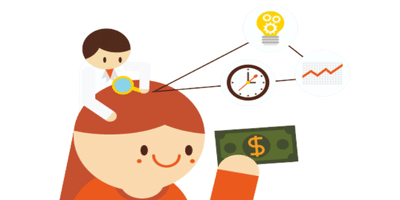
How Great Signage Shapes Perception, Behaviour, and Brand Successs
Signage isn’t just decoration — it’s psychology in motion. The colours, typography, layout, and even the placement of a sign all play a role in how people perceive your brand and whether they take action. At Emerge Sign & Print, we design signage that not only looks beautiful but also connects with how people think, feel, and behave.
1️⃣ The Power of First Impressions
A study by the University of Cincinnati found that 76% of consumers have entered a store they’ve never visited before based purely on its signage. That split-second first impression sets the tone for the customer’s experience.
- Colour: Colour influences emotion and recall — red stimulates urgency, blue communicates trust, green suggests sustainability, and yellow evokes optimism.
- Font & Readability: Sans-serif fonts project modernity and simplicity, while serif fonts feel traditional and dependable. Readability at distance is crucial; the average passerby has just 2–3 seconds to register your message.
- Lighting: Illuminated signage increases visibility by up to 40% at night, reinforcing brand recognition even outside business hours.
Your sign acts as your silent salesperson — conveying professionalism before a single word is spoken.
2️⃣ Colour Psychology in Signage
Colour is one of the most powerful design tools available. According to Pantone Institute research, 80% of visual recognition in branding is linked to colour.
| Colour | Emotional Response | Best Used For |
|---|---|---|
| Red | Energy, urgency, passion | Sales promotions, retail |
| Blue | Trust, reliability | Corporate, financial, technology |
| Green | Growth, sustainability | Eco-friendly, outdoor, wellness |
| Yellow | Optimism, warmth | Hospitality, leisure |
| Black/White | Authority, minimalism | Luxury, modern brands |
| Purple | Creativity, quality | Premium or creative services |
At Emerge, our design team selects colour palettes not only for aesthetic harmony but for psychological alignment — ensuring your signage communicates the right feeling at a glance.
3️⃣ Typography and Shape Psychology
The shapes and letterforms used in signage subtly affect how your brand is perceived:
- Rounded fonts (like Helvetica Rounded or VAG) feel friendly and approachable.
- Sharp, geometric fonts convey precision and confidence.
- Circular signs are interpreted as welcoming, while triangular or angular designs signal innovation or warning.
- Symmetry provides balance and trustworthiness; asymmetry suggests creativity and motion.
Great signage uses these principles intentionally, guiding the viewer’s eye and shaping emotion through form.
4️⃣ Wayfinding & Cognitive Flow
The psychology of wayfinding signage goes beyond arrows — it’s about how the brain processes spatial information. Research from MIT’s Human Spatial Cognition Lab shows that people rely on both visual cues and landmarks to build mental maps.
That’s why effective wayfinding design uses:
- Consistent iconography across all signs.
- High contrast between background and text for instant comprehension.
- Strategic repetition of key messages to reinforce direction and reduce anxiety.
In environments like airports, stadiums, and hospitals, good wayfinding isn’t aesthetic — it’s psychological comfort. It makes spaces feel intuitive, safe, and professionally managed.
5️⃣ Brand Memory and Emotional Association
Cognitive psychology teaches us that memory is emotion-driven. People remember how something made them feel long after they forget details.
Signage that combines distinctive visuals, clear messaging, and quality materials creates an emotional imprint — a sense of familiarity that draws customers back.
Studies show consistent branding across visual touchpoints can increase revenue by up to 23% (Forbes, 2023).
When your signage, vehicles, and digital assets share a cohesive look, it signals reliability and scale — your audience knows who you are, wherever they see you.
6️⃣ Design Consistency Builds Trust
Trust is built through repetition and reliability. A business that maintains consistent signage — colours, materials, fonts — across every site communicates stability and confidence.
At Emerge Sign & Print, we work with national and local brands to maintain this consistency across multiple locations. From Cardiff Airport to The Trade Centre Wales, our design and installation teams ensure your brand always looks professional, precise, and premium.
7️⃣ Material & Texture Psychology
Texture and finish also shape perception:
- Matte finishes feel natural and understated.
- Gloss and metallics communicate prestige and innovation.
- Tactile signage (raised lettering, dimensional logos) engages multiple senses, improving retention and accessibility.
We combine material psychology with practical design — using sustainable, high-performance substrates that reflect both your brand values and your environmental commitment.
8️⃣ The Science of Placement & Viewing Angles
Eye-tracking studies reveal that people’s gaze naturally follows a predictable “F-pattern” when scanning a visual field. That means:
- Place key messages or logos in the upper left or central zone for maximum impact.
- Avoid clutter — too many elements create cognitive fatigue.
- Use white space intentionally to guide focus.
Our designers analyse line-of-sight, height, and environmental factors during every install, ensuring optimal readability and influence — whether it’s a roadside billboard or a retail fascia.
9️⃣ Why the Psychology of Signage Matters
Every design choice — from a typeface curve to a colour hue — influences how your audience feels about your brand. When done right, signage becomes a psychological bridge between visibility and trust.
At Emerge Sign & Print, we combine creative expertise with an understanding of human behaviour to produce signage that not only looks exceptional but performs measurably better.
💬 Partner with the Experts in Signage Wales
Your signage should speak for your brand before you do.
Let our team at Emerge Sign & Print help you design and deliver signage that captures attention and converts curiosity into sales.
